In a proposal submitted to Finance and Planning Minister Amir Khasru Mahmud Chowdhury ahead of the national budget, the Bangladesh Textile Mills Association (BTMA) argued that the sector continues to struggle with the lingering effects of the Covid-19 pandemic, global geopolitical disruptions, and persistent shortages of gas and electricity that have significantly hampered production.
The association also pointed out that export-oriented garment manufacturers continue to enjoy a preferential tax rate of 12%, creating what it described as a discriminatory tax regime for the primary textile sector.
Tax incentives introduced by the National Board of Revenue (NBR) in 2015 had allowed spinning, dyeing, finishing, weaving, printing and other textile-related industries to pay a reduced income tax rate of 15% for a decade. Following the expiry of the incentive on 30 June 2025, the tax rate for these industries reverted to 27.5% in the current fiscal year.
In a letter signed by BTMA President Showkat Aziz Russell, the association said the existing tax framework undermines the competitiveness of domestic textile producers at a time when the industry is facing unprecedented financial pressures.
According to BTMA, the sector is grappling with rising energy costs, chronic fuel shortages, higher interest rates, currency depreciation, reduced export incentives and intensified global competition ahead of Bangladesh’s graduation from the Least Developed Country (LDC) category.
The association further noted that generous subsidies and cash support offered by neighbouring countries have enabled foreign yarn and fabrics to enter the Bangladeshi market at comparatively lower prices, putting local manufacturers at a disadvantage.
BTMA data shows that more than 200 textile mills have already ceased operations, while many surviving factories are operating at only 60–70% of their installed capacity, further squeezing profitability and investment capacity.
Meanwhile, the Bangladesh Knitwear Manufacturers and Exporters Association (BKMEA) has separately appealed to Finance Secretary Khairuzzaman Mozumder to classify 50 member factories as sick industries and facilitate the waiver of approximately Tk 420 crore in outstanding bank loans.
In a letter signed by BKMEA President Mohammad Hatem, the association cited intense international competition, alleged irregularities by banking officials, and the deaths of factory owners in some cases as key reasons behind the financial collapse of the affected businesses.
Hatem said the total principal liabilities of the 50 factories stand at Tk 819.85 crore across 16 banks, arguing that the government should consider special support measures to help the distressed enterprises.
Among the lenders, Sonali Bank has the highest exposure at Tk 233.27 crore, followed by Southeast Bank with Tk 56.5 crore. Other major creditors include UCB, Janata Bank, Pubali Bank, IFIC Bank, National Bank, First Security Islami Bank, Rupali Bank, AB Bank and Jamuna Bank.
Industry leaders believe that targeted tax relief and financial restructuring measures will be crucial to preserving the competitiveness of Bangladesh’s textile and knitwear sectors amid growing domestic and international challenges.
BUSINESS
Textile Millers Seek Tax Cut to 10% Until 2030; BKMEA Requests Waiver of Tk 420 Crore in Loans
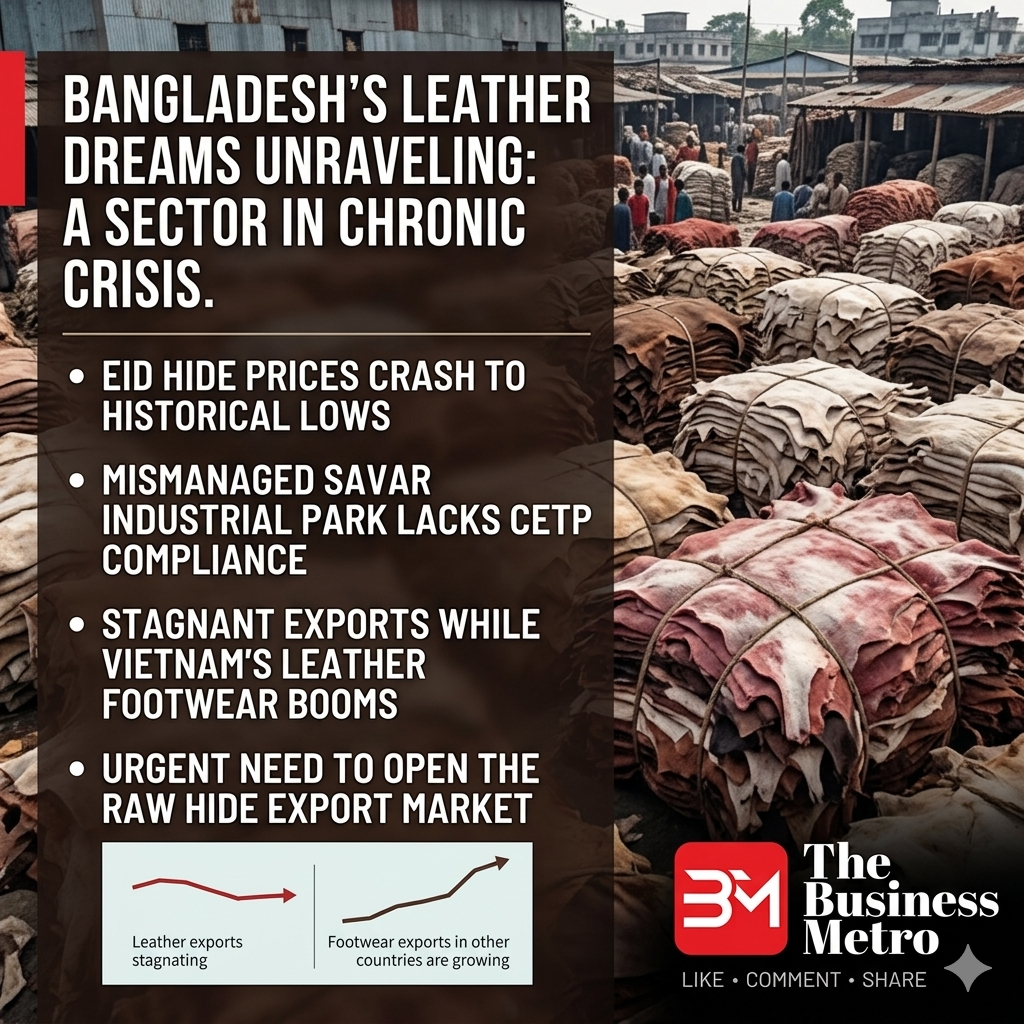
Textile Millers Seek Tax Cut to 10% Until 2030; BKMEA Requests Waiver of Tk 420 Crore in Loans | Photo: BusinessMetro

The Shrinking Potential of Bangladesh’s Leather Industry: Why Every E…
4 months, 3 weeks ago
Bangladesh Seeks New $5 Billion IMF Programme, Moves Away from Existi…
4 months, 3 weeks ago
Six Months of Over $3 Billion in Remittance: A New Milestone
4 months, 3 weeks ago